Skip to content Skip to footer
The Right to Be Ordinary

The Right to Be Ordinary

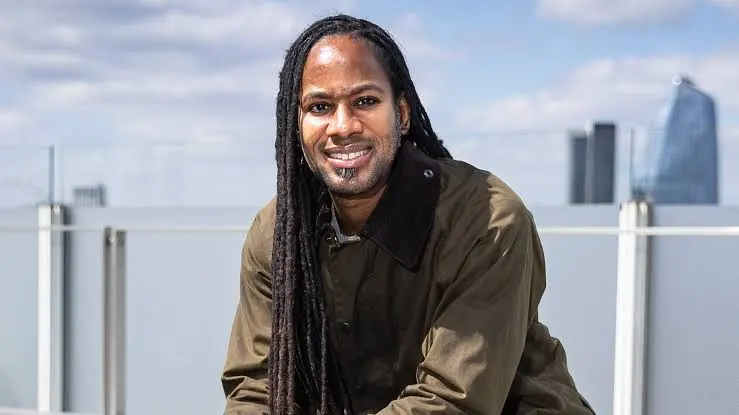
Jason Arday and the Racial Politics of Britain Now Professor Jason Arday’s tragic story sits where three racial logics collide: the declining solidarities of British political Blackness; the corporate and institutional representationalism that followed Black Lives Matter; and a restorationist Right that treats conspicuous Black advancement as presumptive evidence that merit has been displaced. B…

Read more

When the Oar Leaves the Sea

When the Oar Leaves the Sea

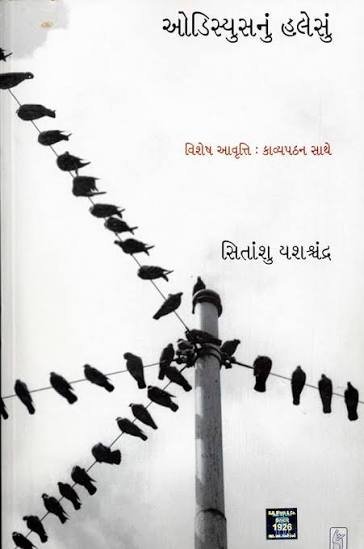
Christopher Nolan returns Homer to the scale of cinematic spectacle. More than half a century earlier, Sitanshu Yashaschandra’s Odysseusnu Halesu followed the oar beyond Ithaca, using its estrangement to rethink homecoming, poetic authority and the unequal life of world literature. Christopher Nolan has returned Homer to the scale at which contemporary culture most readily…

Read more

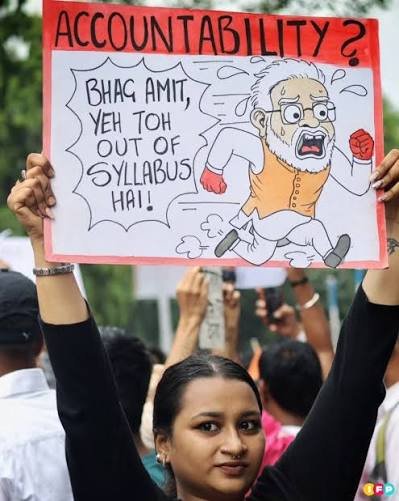
Out of Syllabus: Language, Ideology and the New Vernacular Against Political Orthodoxy

Out of Syllabus: Language, Ideology and the New Vernacular Against Political Orthodoxy

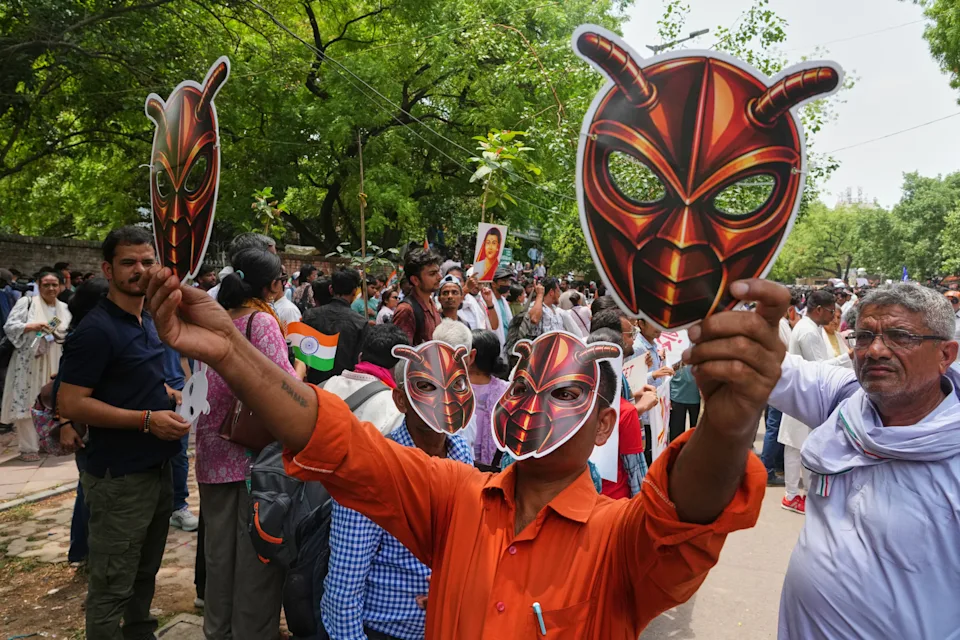
India’s Gen Z revolt did not stop at mocking Modi. It entered the home, broke the family relay through which Hindutva reproduced itself, and turned inherited obedience into open political defiance. To understand the language of the Cockroach Janta Party (CJP), one must resist deciding in advance what kind of politics it represents. The movement…

Read more

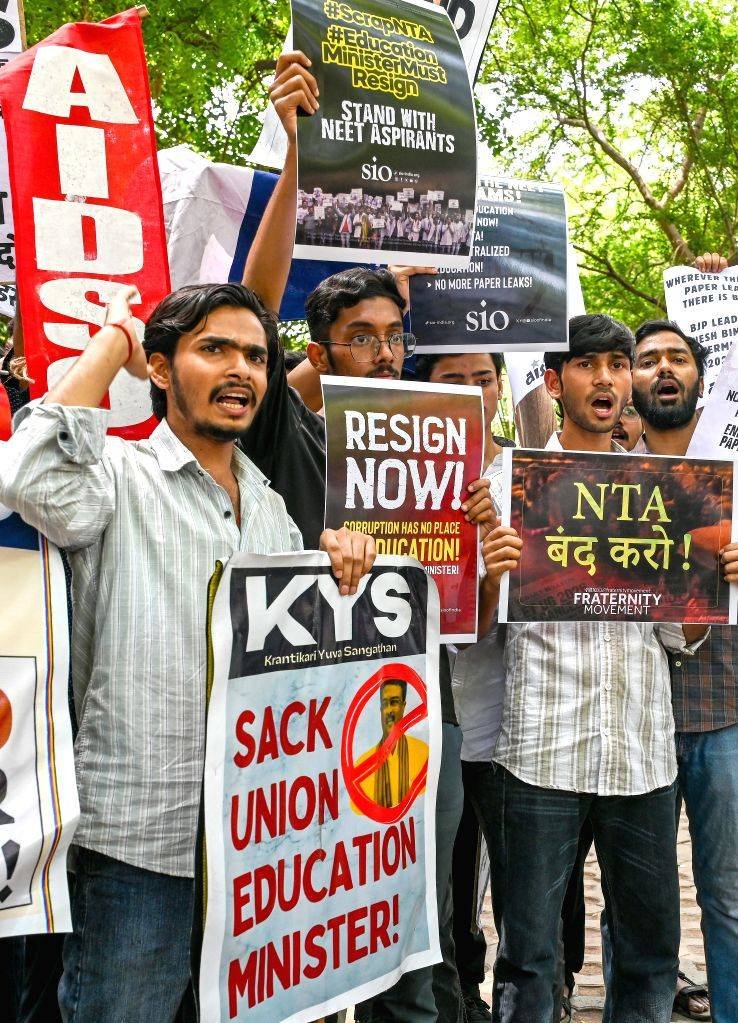
The State of Waiting

The State of Waiting

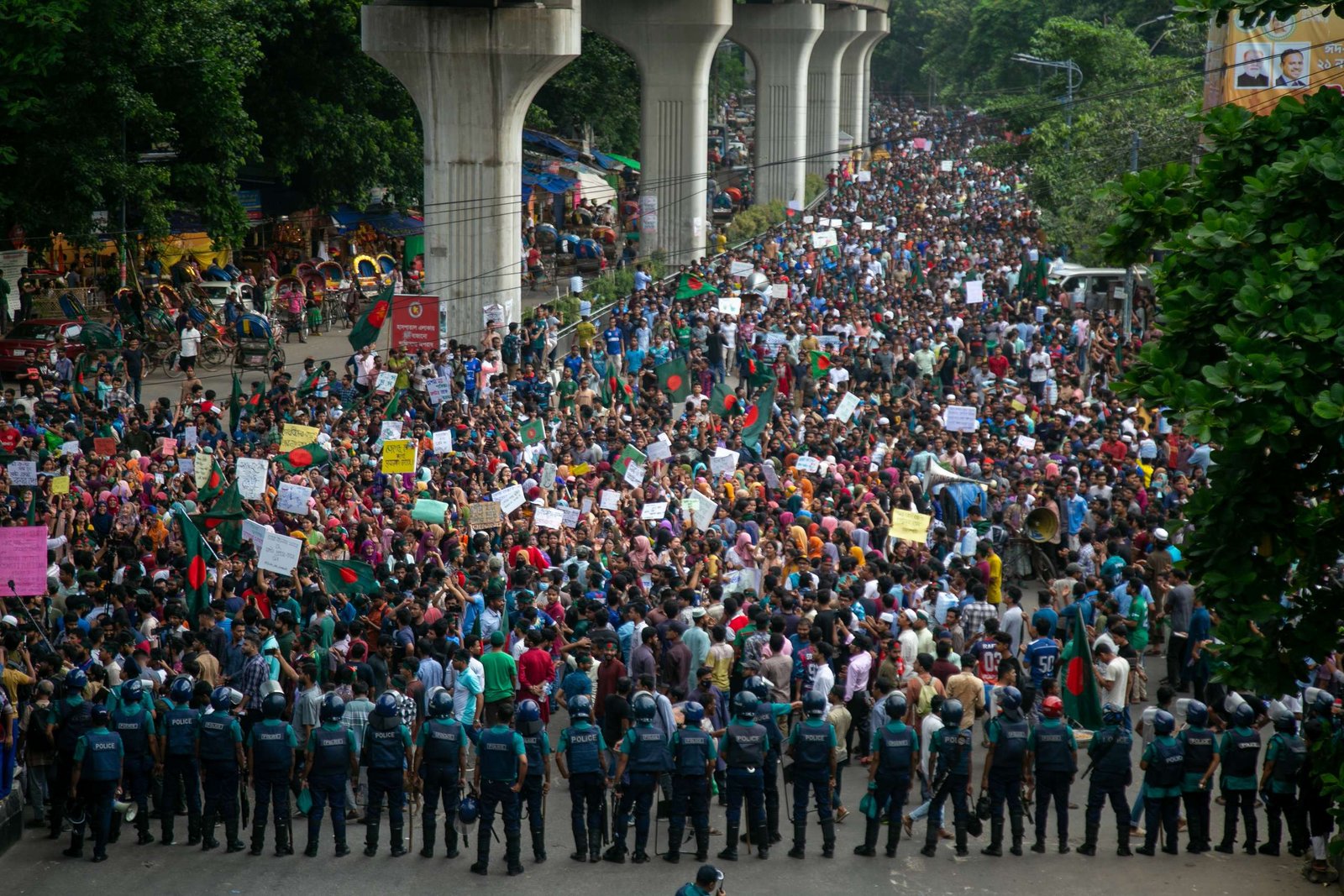
Paper Leaks, Hunger Strikes, and the Politics of Exhaustion “This ‘Wait’ has almost always meant ‘Never.’”                               —Martin Luther King Jr., Letter from Birmingham Jail, April 16, 1963 I. The Temporal Constitution Every democracy possesses a temporal constitution. Like every political order, it distributes time before it distributes resources: deciding who must wait,…

Read more

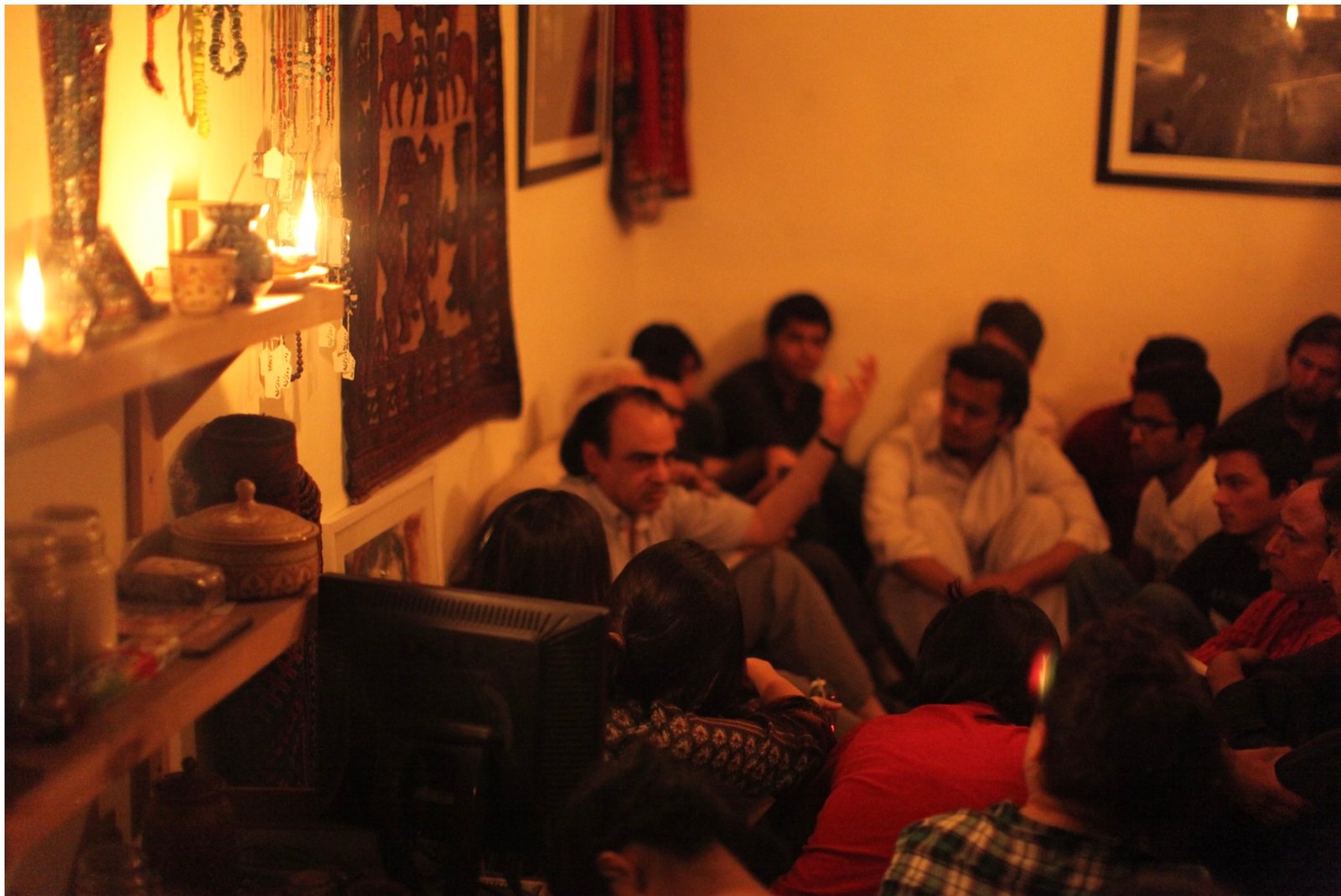
Falsafa Goes Viral

Falsafa Goes Viral

Pakistan’s YouTube philosophy boom marks the rise of a vernacular counter-university: born of educational failure, religious anxiety, youth precarity, creator culture, and algorithmic theatre. Its promise is access. Its danger is the glamour of certainty before the discipline of thought.  A recent graduation speech by Dr Nauman Naqvi at Habib University gives us a precise…

Read more

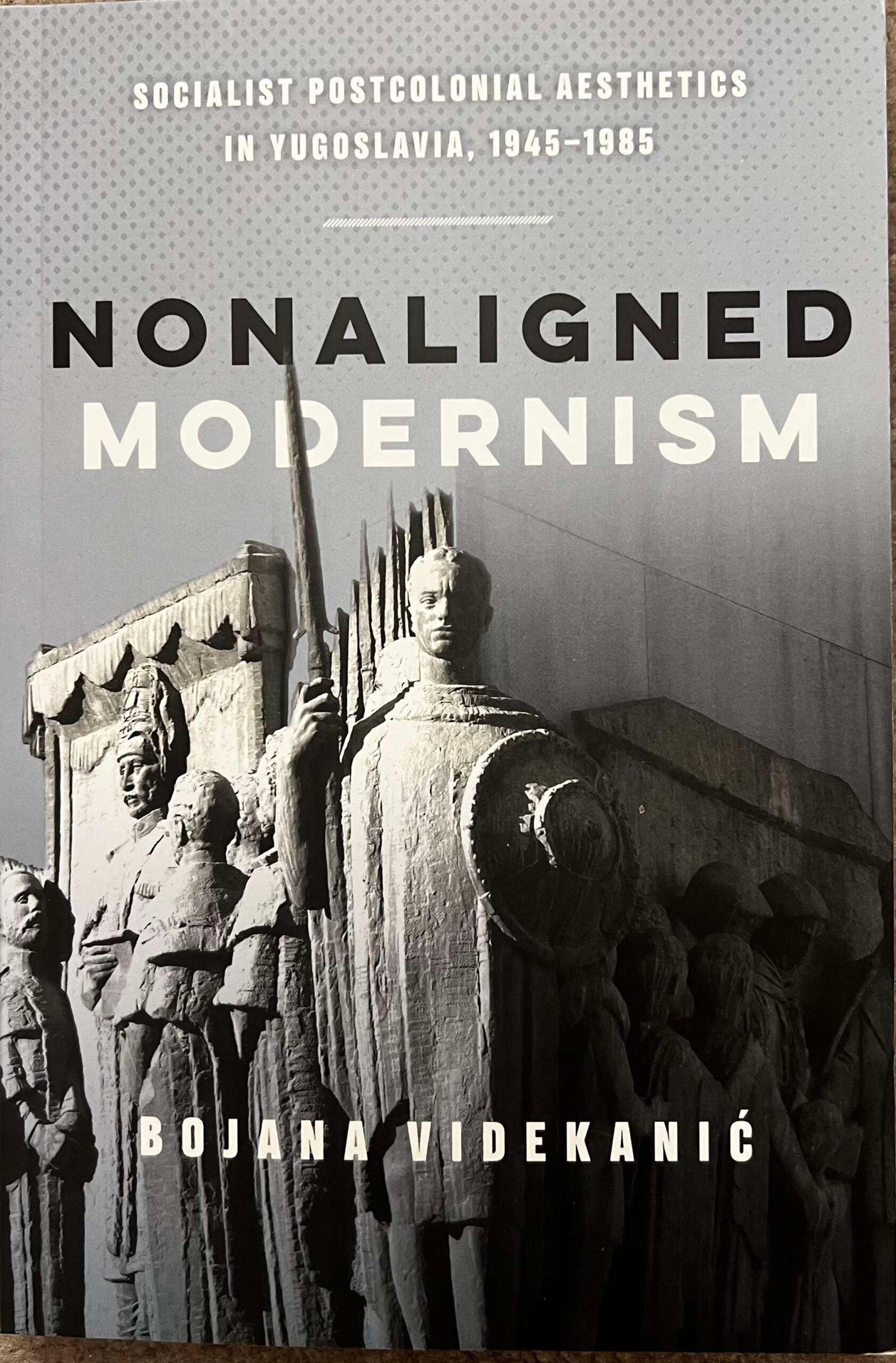
Non-Alignment as Method

Non-Alignment as Method

Atreyee Gupta’s Non-Aligned does not simply recover a forgotten Third World modernism; it asks whether modernism itself must be rethought when decolonization, development, and anti-imperial thought are treated as conditions of form. Modernism’s problem was never simply that it excluded the rest of the world. Its deeper violence was that it made Europe’s experience…

Read more

The Museum as Proximity

The Museum as Proximity

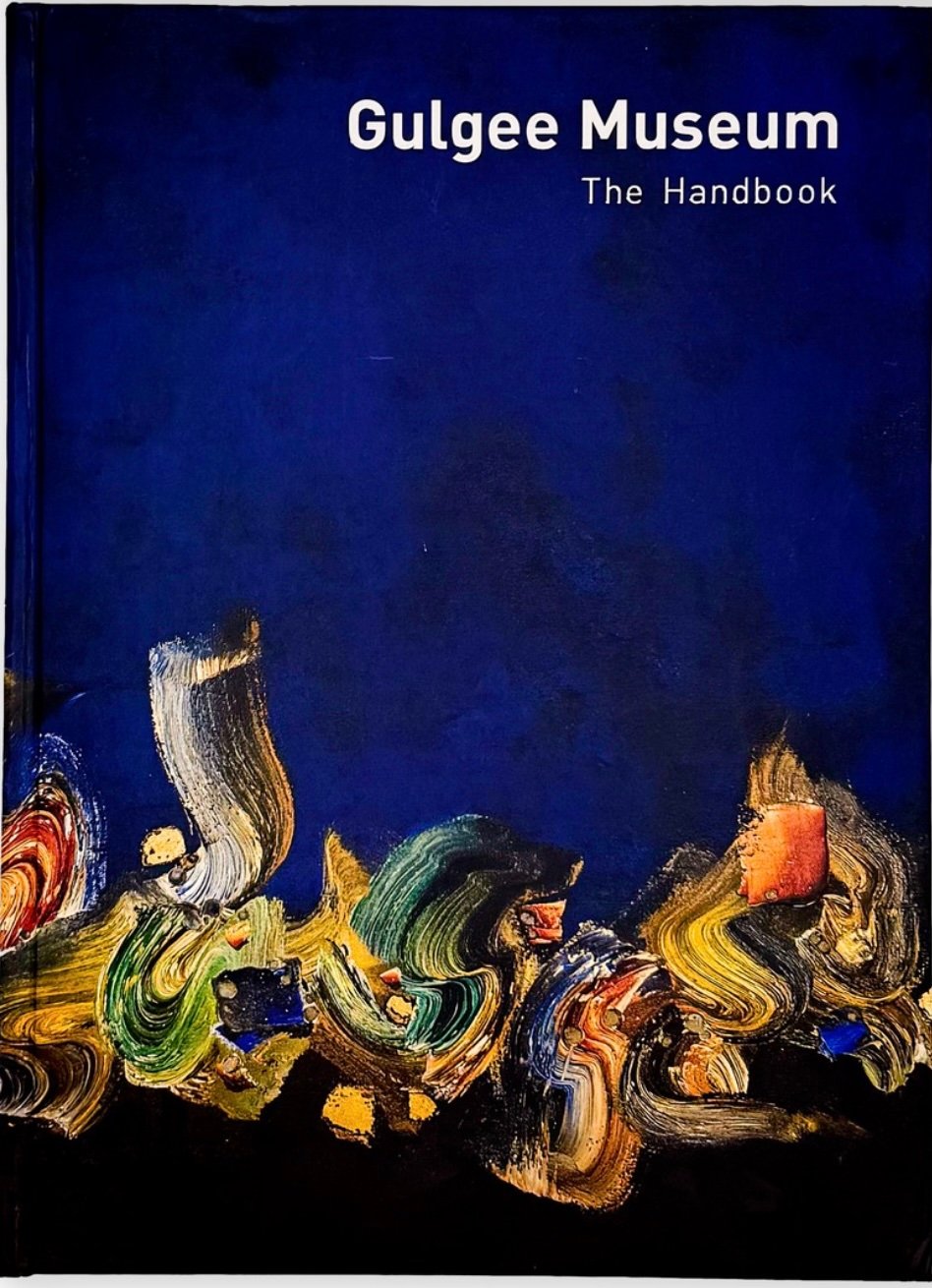
A note on the Gulgee Museum, and the handbook that refuses to settle Gulgee By Narendra Pachkhédé Art history is where a nation’s cultural life becomes a border regime. It grants entry, issues credentials, seals certain practices with the stamp of “modern,” and files others into quiet nonappearance—present in rooms, absent on the page. The…

Read more

Le Moment de Bascule: Mallet’s Far-Right France and France’s Quiet Threshold

Le Moment de Bascule: Mallet’s Far-Right France and France’s Quiet Threshold

Victor Mallet’s Far-Right France is a field guide to how the RN becomes ordinary: centre exhaustion, party professionalisation, media-driven fear, and grievance turned into destiny. France’s “moment de bascule” is not just French; it is a European threshold with Atlantic consequences, and it helps decode what’s unfolding south of our border, where immigration enforcement in…

Read more

Fever as Method: On Tribulation 99 and the Venezuelan Kidnapping

Fever as Method: On Tribulation 99 and the Venezuelan Kidnapping

From Cold War montage to contemporary capture, on the persistence of imperial form. Why intervention no longer argues its case, but edits it. “Nothing is lost if one has the courage to proclaim that all is lost and we must begin again.” — Julio Cortázar. Around the Day in Eighty Worlds.                          Translated by Thomas Christensen.…

Read more