Skip to content Skip to footer
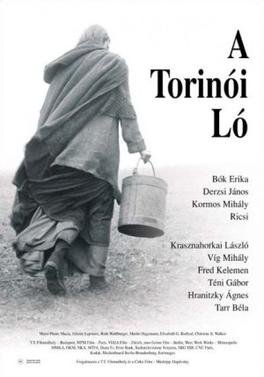
The Ethics of Staying: Béla Tarr and the Cinema of Endurance

The Ethics of Staying: Béla Tarr and the Cinema of Endurance

Béla Tarr’s films transformed slowness into an ethical demand. Refusing narrative relief and political optimism, he made endurance of time, history, and looking the condition of cinema itself. “There is no way out.” —László Krasznahorkai, The Melancholy of Resistance, trans. George Szirtes (New York: New Directions, 1998), passim. There are filmmakers whose deaths feel…

Read more

A Quiet Epic of Absence

A Quiet Epic of Absence

"I am cold and I think / I will never feel warm again." — Forugh Farrokhzad's poem Another Birth (Tavalodi Digar, 1964). Premiered in Competition this Fall at the 30th Busan International Film Festival (BIFF), Isabelle Kalandar's debut feature Another Birth marked the arrival of a filmmaker whose vision is at once intimate and elemental.…

Read more

Versailles in Gaza

Versailles in Gaza

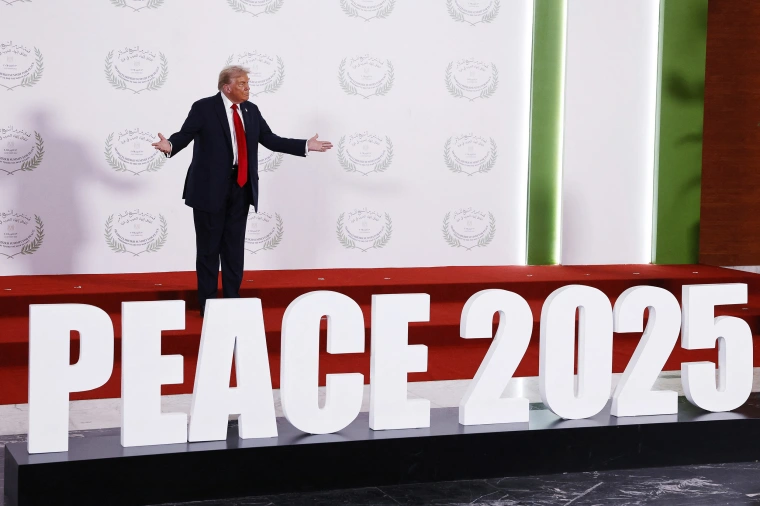
“The Versailles settlement did not so much end the war as prolong it by other means.” — Margaret MacMillan, Peacemakers: The Paris Peace Conference of 1919 and  Its Attempt to End War (London: John Murray, 2001), p. 493. On September 29 2025, Donald Trump stood beside Benjamin Netanyahu in the Oval Office, a map…

Read more

The Banality of Watchability: Nuremberg and Western Moral Failure

The Banality of Watchability: Nuremberg and Western Moral Failure

Nuremberg restages justice as heritage cinema—grand sets, solemn tones, clever repartee—yet in doing so, it reveals the deepest irony of accountability: law as theatre for a heritage conscience, hollow where it should confront. “The indeterminacy of legal argument means that international law is less a set of determinate rules than a practice of presenting claims…

Read more