The story of Izhar Mujeeb is that of a 23-year-old who dreamed of travelling across Balochistan, documenting its mountains, its people and their suffering, but whose own journey ended in a hail of bullets at a small shop in Mand.
Whenever rain falls in Mand, the mountains of Fakeer Chat and Bodeeg disappear beneath gathering clouds, the roads turn wet, and the familiar smell of rain spreads through the villages. For many, it is a moment of happiness, an invitation to step outside and enjoy the weather.
But for Izhar Mujeeb’s friends, rainy days have never felt quite the same since 6 September 2025.
They no longer wait for the sound of an old motorcycle approaching their homes. No one comes to knock on their doors, insist that they leave whatever they are doing, and join him for an afternoon in the mountains. There is no one to gather them together, prepare tea somewhere among the hills, play their favourite Balochi songs, and turn an ordinary rainy day into a memory.
The mountains are still there. The rain still falls. But the young man who once brought everyone together is gone.
“Whenever it rains, we remember Izhar. Now there is no one to come and take us to the mountains,” one of his closest friends says.
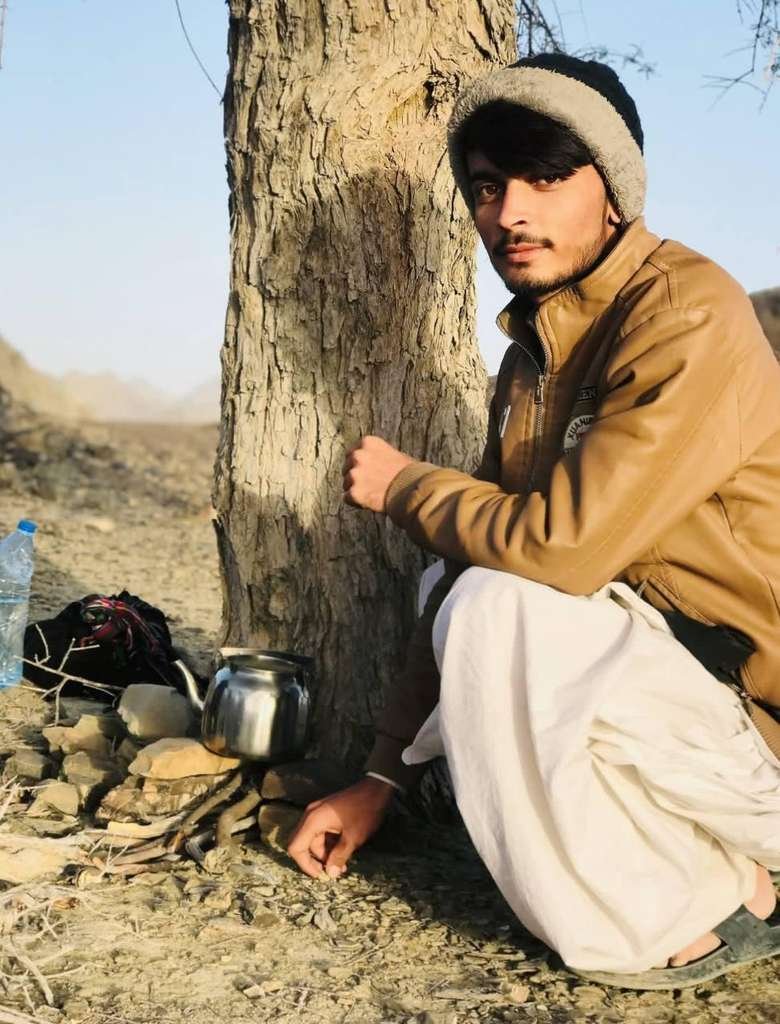
He would start his old motorcycle and visit his friends one by one, often without any particular plan beyond spending the day together. Money was usually scarce, and the motorcycle had seen better days, but neither was enough to stop him. They would make their way towards Fakeer Chat or Bodeeg, find a place to sit, prepare tea, play Balochi revolutionary songs and talk for hours.
Sometimes their conversations were about ordinary things. At other times, they turned towards Balochistan, its people, its political situation and the hardships surrounding their lives.
Among the songs Izhar loved playing were those of Baloch revolutionary singer Ustaad Minhaj Mukhtar. Sitting beneath the open sky in Fakeer Chat, gazing at the mountains stretching across the landscape, he would tell his friends, “Look at these mountains and this beautiful land; this land is worth every sacrifice we may have to make for it.”
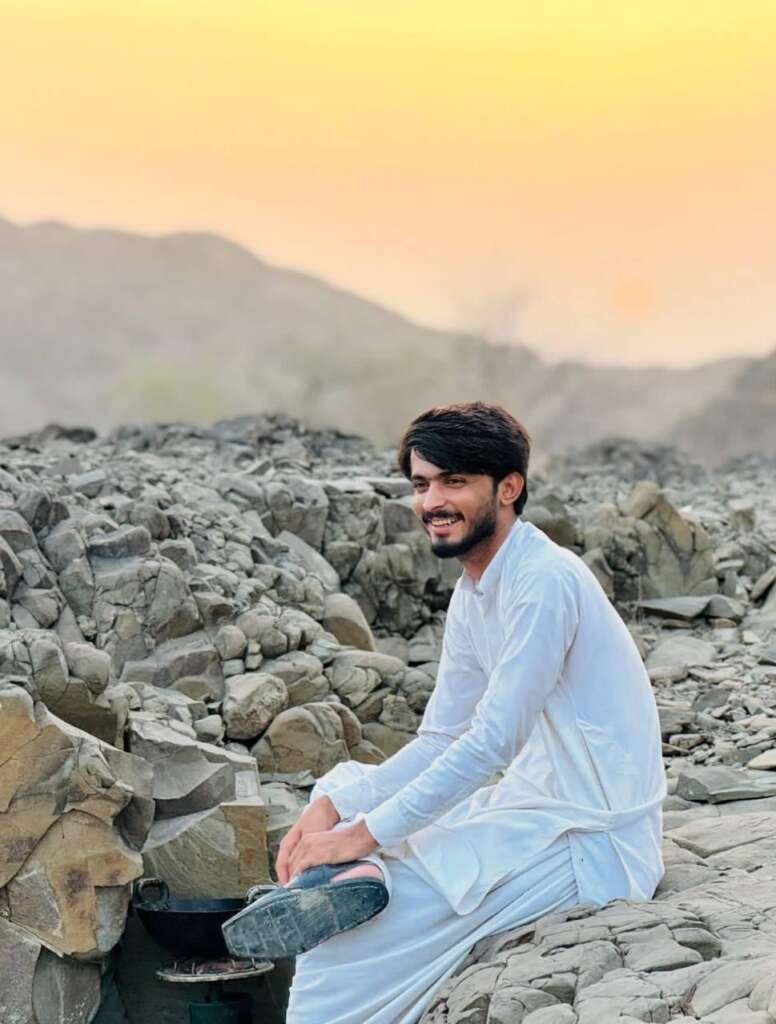
His friends remember the smile on his face when he said it. At the time, those words were simply part of their conversations. Today, they carry a sadness that none of them could have imagined.
Izhar was not only a young man who loved travelling through the mountains. He was someone who wanted the world to see the place he called home.
A childhood shaped by loss
Izhar Mujeeb was born in 2002 in Liblaan, a locality in Mand, in Balochistan’s Kech district. He was the son of Mullah Mujeeb, also known as Mujeeb-ur-Rehman, whose family originally belonged to Kharan.
His childhood was marked by a loss that would remain with him throughout his life. When Izhar was just ten years old, his mother died of cancer.
His father, who had limited financial resources, struggled to provide for the family. He ran a small stationery shop, selling pencils, notebooks, pens and other school supplies. It was through this modest business that he tried to meet the family’s everyday needs and support his children’s future.
Izhar completed his FSc education in 2023. Like many young people, he hoped to continue his studies and build a better future. But financial difficulties and family responsibilities made that increasingly difficult. Eventually, he began spending more of his time at the shop.
Mand, like several other parts of Balochistan, has lived through years of militarisation, armed conflict, enforced disappearances and killings. Like Awaran, Mand was also one of the early epicentres of the conflict and was heavily affected by military operations and state repression amid the confrontation between Pakistani security forces and Baloch armed groups.
Across Balochistan, families have faced enforced disappearances, arbitrary detention, extrajudicial killings and intimidation. Some have spent years searching for relatives whose whereabouts remain unknown. Others have been left to mourn loved ones killed in circumstances they believe were unjust.
For the Baloch people, these experiences are understood within a broader history of political marginalisation, militarisation and the denial of national rights. They see the treatment of political dissent and the suffering of civilians as part of a much deeper struggle over their identity, resources and right to determine their future.
This was the environment in which Izhar grew up, where the consequences of the conflict were not distant political issues but realities woven into the lives of ordinary people.
His friends say he often spent time thinking about these realities. He could be cheerful, humorous and full of energy in their company, but there was also a quieter side to him. Sometimes he would sit for long periods, contemplating the subjugation of his homeland.
“He was a quiet person, but when he spoke, you could feel the pain he carried for his people,” one of his friends recalls.
He believed that a person’s dreams could not be entirely separated from the reality of the society in which they lived. Education, employment and personal happiness mattered to him, but he also wanted to contribute something meaningful to his people.
He dreamed of a society where people were more aware of their plight, questioned injustice and put collective interests before individual ones, a belief that would go on to shape much of his life.
A Dream to Capture Balochistan
Among all his interests, photography and videography occupied a special place in Izhar’s heart.
He wanted to travel across every corner of Balochistan, from its mountains and valleys to its remote villages and coastal landscapes. He imagined recording the places he visited, the people he met and the stories that rarely reached the outside world. His ambition, however, was not simply to take beautiful photographs but also to tell stories through them.
He wanted people to see a side of Balochistan that rarely made the headlines, its breath-taking landscapes, but also the everyday struggles and realities of the people who call it home.
“If we cannot do anything else, at least capture the state oppression, poverty, and torn clothes of our people. Show the world how they are living,” he would tell his friends.
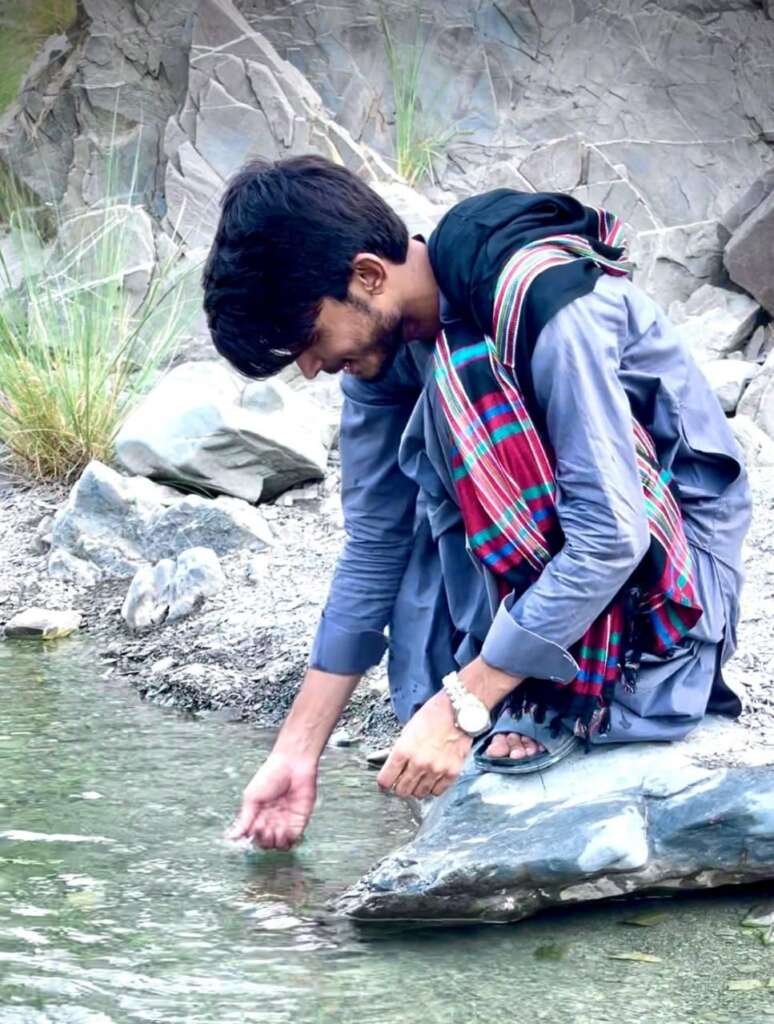
He did not own expensive cameras or have the financial means to travel freely. But he had a mobile phone, an old motorcycle and an imagination that seemed much larger than his circumstances.
His friends remember that he never needed much money to arrange a trip. What mattered was having somewhere to go and people willing to accompany him.
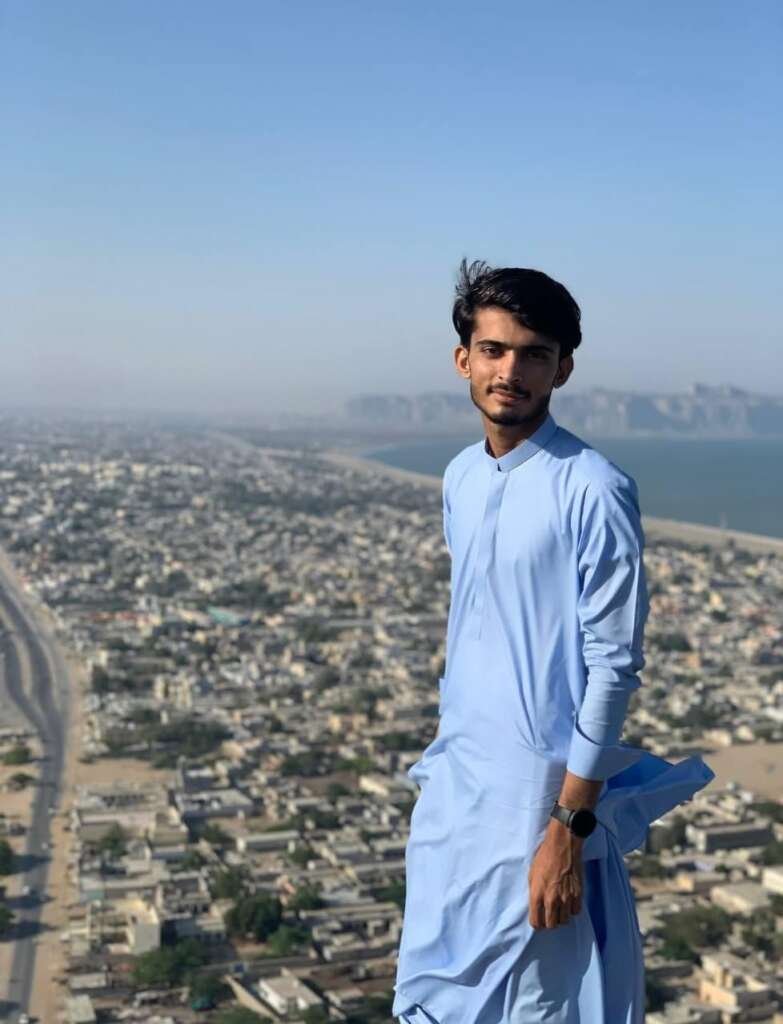
He took them to Kech and Gwadar. On other occasions, their journeys extended to Quetta and Kharan. Just a month before his killing, he took his friends on a trip to Quetta and later to Kharan. They remember those journeys for the conversations, the laughter and the time they spent together.
None of them knew that the trip would become one of their last journeys with him.
The Road to Gwadar
Perhaps one of the clearest examples of Izhar’s determination came during the Baloch Raaji Muchi, the Baloch National Gathering, in July 2024.
During those heated days, Izhar decided to travel with his friends from Mand towards Gwadar to participate in the gathering.
But reaching Gwadar was not going to be easy.
Road closures and blockades imposed by Pakistani security forces at D-Baloch, Turbat and Talar disrupted movement towards Gwadar. Izhar and his friends eventually found themselves stranded at the Talar checkpoint, where they had to spend the night.
The following afternoon, at around 3:30 p.m., Izhar suggested trying an alternative route through Dasht.
His friends were hesitant. They believed the roads were blocked and that attempting to reach Gwadar would be pointless. Returning home seemed like the more sensible decision.
But Izhar was unwilling to give up.
“I will reach Gwadar, no matter what,” he told them.
Eventually, they agreed to follow his suggestion.
They travelled through Dasht at night and managed to reach Bansar village, where local residents told them that the roads ahead were also closed. With no immediate way forward, they stayed overnight.
The next morning, they resumed their journey, repeatedly asking locals about the condition of the routes ahead.
After travelling for nearly twelve hours, they reached a locality at around 1:30 p.m. Exhaustion had begun to take its toll, but Izhar continued encouraging his friends.
“Whatever happens, we have to reach Gwadar.”
Eventually, they arrived at Padi Zirr, Gwadar, where they witnessed the crackdown by Pakistani forces on the Baloch National Gathering.
The Day Mand Lost Izhar
On the evening before his killing, Izhar was at his shop with one of his closest friends.
They spent the evening working together and eventually returned home after finishing their work. His friend dropped him near his home before heading home himself.
That night, the friend experienced an unusual sense of unease. He could not explain what was troubling him, but he felt as though something unfortunate was approaching.
Eventually, he fell asleep.
Early the following morning, his mobile phone rang.
He reached for it, but the call disconnected before he could answer. When it rang again, he picked it up.
The words on the other end of the phone would change his life.
“Izhar has been killed.”
For a moment, he struggled to understand what he had heard.
“What are you saying? What happened?” he asked.
“Izhar has left us,” came the reply.
The friend says he lost consciousness after hearing the news.
At approximately 10:20 a.m. on 6 September 2025, according to Izhar’s family and friends, armed men arrived at his shop in the Soro area of Mand, District Kech.
They asked who Izhar was.
When he identified himself, they demanded his mobile phone. As soon as he handed it over, they opened fire.
Izhar died at the scene. In a state of desperation, his elder brother, Qadeer, could not bring himself to believe that he was gone. Holding on to the hope that he might still be alive, he picked up Izhar and rushed him towards the FC camp in Soro, hoping to find medical assistance.
His family and friends describe the attackers as members of a state-backed armed group locally known as a death squad. Those close to Izhar believe he was targeted because of his political consciousness and concern for the Baloch people.
When their father, Mullah Mujeeb, heard that his son had been shot and taken to the camp, he hurried there. He believed Izhar was injured and that there might still be a chance to save him.
Although he was not initially allowed to enter, he eventually managed to get inside, where he was informed that his son had died.
For a father who had spent years struggling to provide for his children, the news was devastating. He could not understand why his son, a young man whose days revolved around a small shop and his friends, had been targeted.
“My son was not the kind of person who would harm anyone or get involved in wrongdoing. Why was my son targeted? He spent his mornings and evenings at his shop,” Mullah Mujeeb said.
The family had already endured the loss of Izhar’s mother when he was only ten years old. Now, his father was facing another loss that no parent should have to bear.
Those close to the family say that despite his grief, Mullah Mujeeb continues to speak about his son with pride. He has encouraged Izhar’s friends not to let their sorrow overwhelm them, reminding them of the values he believed in and the concerns he carried throughout his life.
His younger brother, Irfan, also holds on to his memories of Izhar, often smiling as he recalls his elder brother’s kindness, the way he cared for others and the moments they shared. But no matter how many memories the family holds on to, they cannot fill the space left by a beloved son and brother, nor can they bring him home.
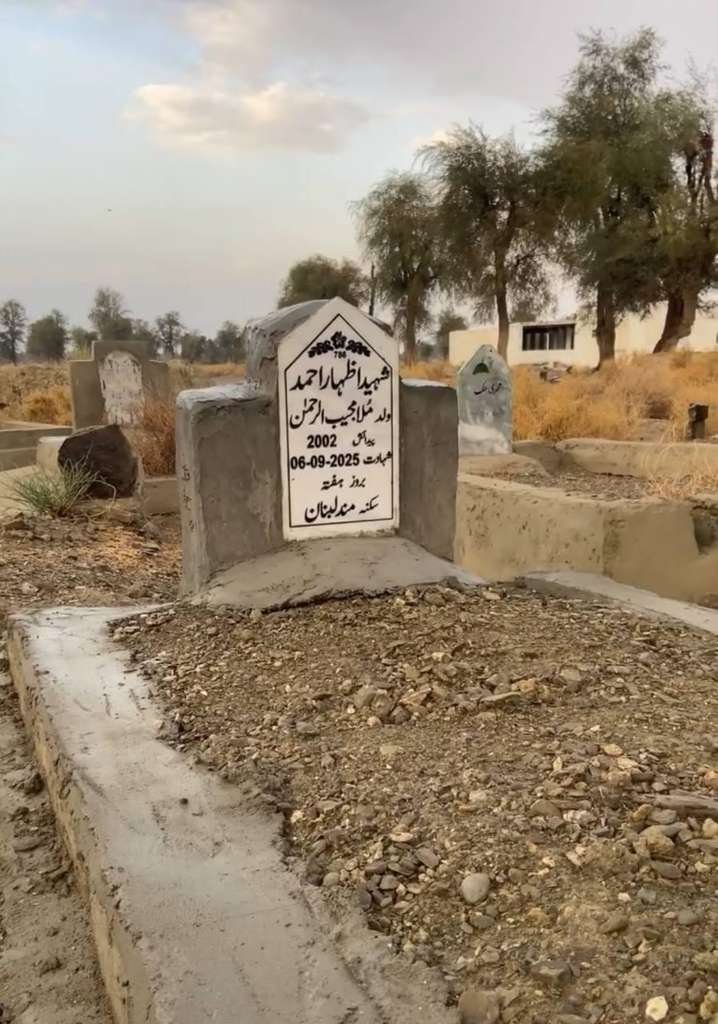
His Friends Feared This Day
“I want to be martyred for my land and my people. I never want to die in bed,” Izhar would often tell his friends.
His friends never imagined that his words would one day come true. They would laugh whenever he said such things, taking them as jokes rather than something he genuinely meant. But after Izhar was killed, those words no longer seemed like jokes to his friends.
One of his friends recalls that they had sometimes feared losing Izhar because of how deeply he thought about the political situation in Balochistan. They knew that his awareness and strong convictions could put him in danger in a region where political violence had become a recurring reality.
“We knew that a conscious mind like Izhar’s would not be spared by the forces oppressing our people,” a friend says.
They remember his small frame, his cheerful personality and the seriousness with which he discussed the future of Balochistan. He could spend an afternoon making everyone laugh and then, without changing his surroundings, begin talking about the suffering of his people.
Even the Little Ones Miss Him
The grief left by Izhar’s killing has reached far beyond his family and closest friends.
In Mand, even children as young as eight to ten call out, “Izhar Pull!” and express their sadness in Balochi, saying, “Sharrang en Izhar dushmin a jath” — “The enemy killed handsome Izhar.”
These are simple words from children who may not fully understand the political circumstances surrounding Izhar’s death. Yet, in their own way, they express how they understand his death and who they believe was responsible for it.
His world revolved around a small shop, an old motorcycle, his friends and the mountains he wanted to photograph.
But sometimes a person’s importance in a society has very little to do with wealth, status or public recognition. It is measured through the people who remember them, the ordinary moments they made special and the relationships they helped bring together.
His friends say that their circle gradually fell apart after his death. The journeys stopped. The gatherings became less frequent. The laughter that once accompanied their meetings was replaced by memories.
Some of Izhar’s friends studying in Quetta now find it difficult to return to Mand because the places they used to visit with Izhar remind them of someone who will never join them again.
The shop where they once spent evenings working, talking and making plans no longer feels the same.
“We saw his thoughts, his love for his nation, and his intellectual mind. We knew he was always thinking about his people and his land,” his friends say.
Perhaps what they miss most is not simply his presence, but everything that his presence made possible.
The Mountains He Never Returned To
Perhaps the most fitting image of Izhar is not the one from the morning he was killed, but the one his friends remember from those rainy afternoons.
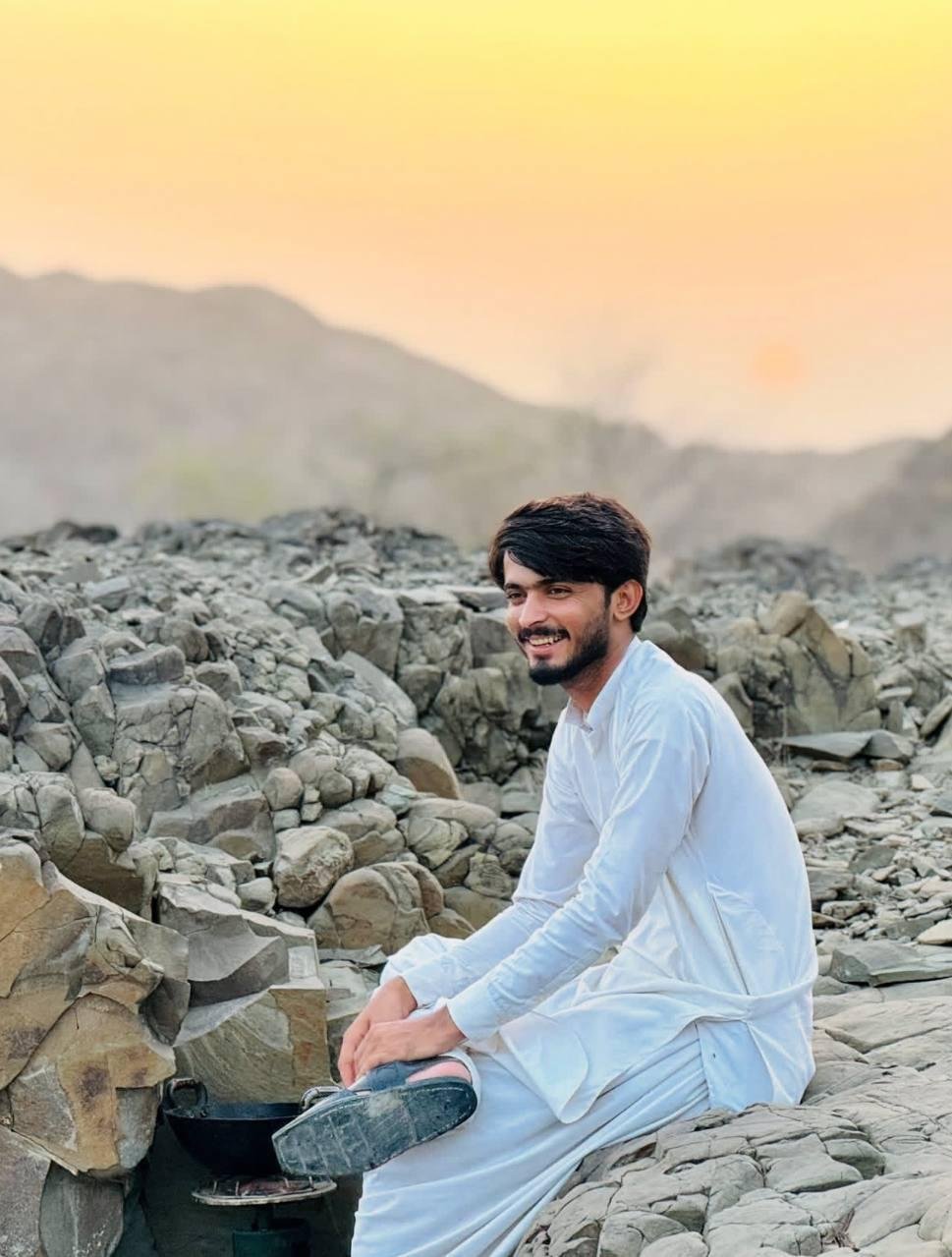
A young man sitting among the mountains, preparing tea, playing Balochi songs and looking at the landscape around him. His friends are laughing, the rain has just passed, and the mountains stand quietly beneath the clouds.
He wanted to spend his life travelling across Balochistan, capturing its beauty and telling the stories of its people.
He never got the chance to tell all those stories.
Now, his friends tell his.
And whenever it rains in Mand, they remember the old motorcycle, the mountain journeys, the cups of tea and the young man who would arrive at their doors and refuse to let them spend the day indoors.
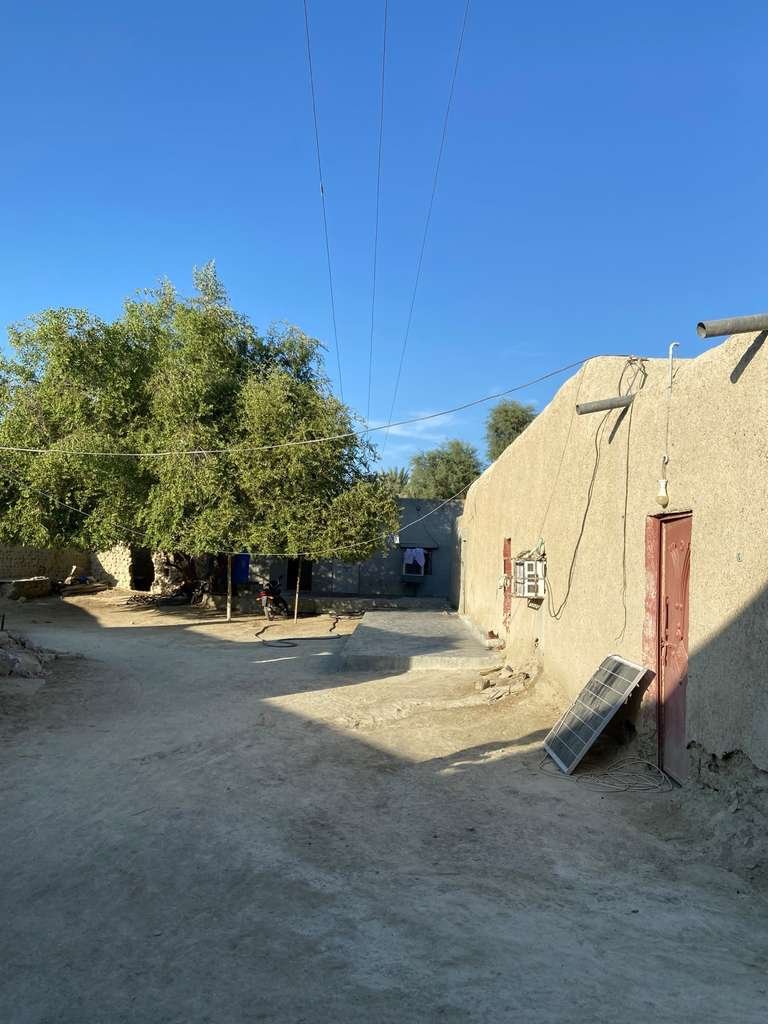
The mountains are still there.
The rain still falls.
But nobody comes to gather his friends anymore.
The boy who once gathered his friends whenever it rained is now the reason they sometimes cannot step outside when the rain falls.
And somewhere in the memories of his friends, Izhar is still sitting on a mountain, preparing tea, playing Ustaad Minhaj Mukhtar’s songs, looking towards the beautiful landscapes of Balochistan and smiling.