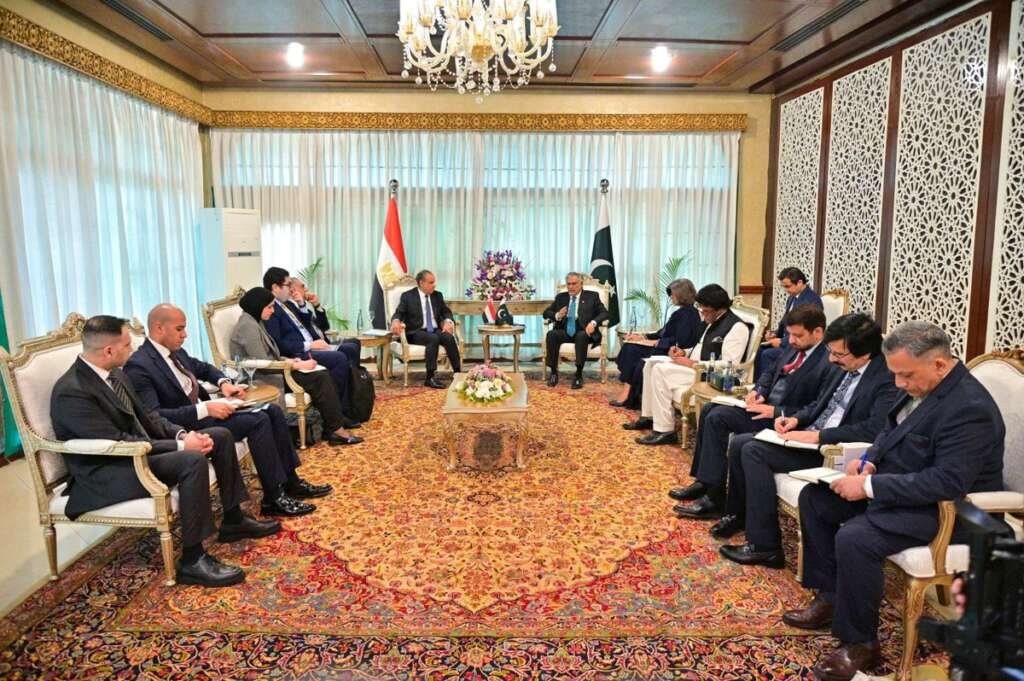
In recent months, Islamabad has occupied an unusual place in international headlines, emerging as a focal point of global diplomacy as Pakistan sought to mediate between the United States and Iran, hosting negotiations and facilitating dialogue aimed at reducing tensions in one of the world’s most volatile conflicts.
International media outlets portrayed Islamabad as a centre of peacemaking and geopolitical engagement, a city where diplomats, policymakers and global powers gathered in pursuit of stability and conflict resolution. Pakistan’s role as a mediator drew international attention and elevated the capital’s profile on the world stage.
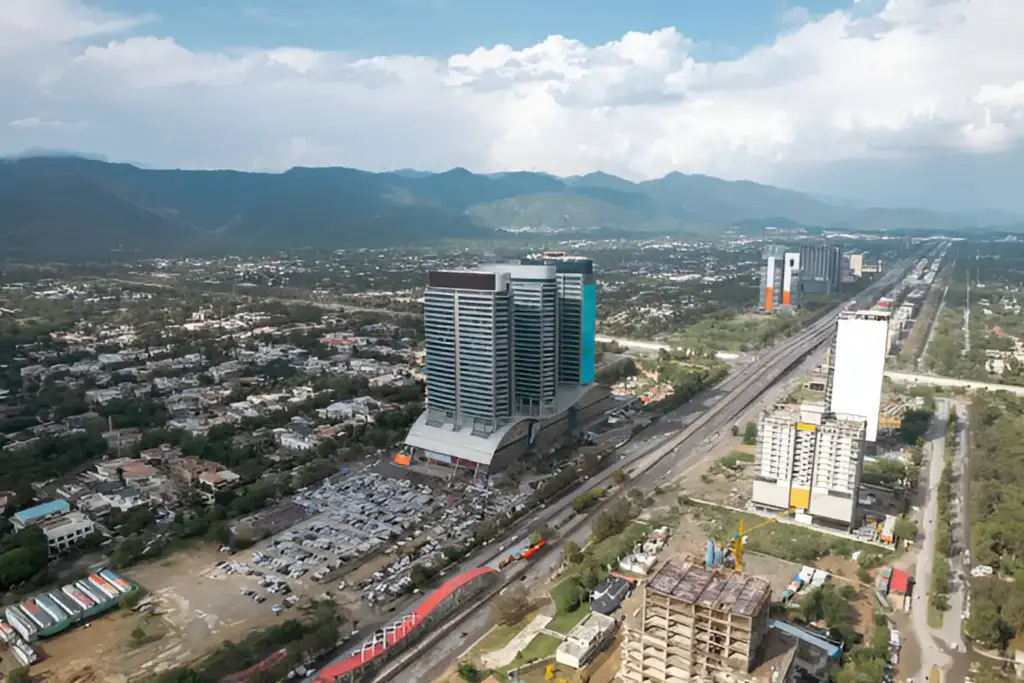
Often presented as Pakistan’s most meticulously planned city. Its wide boulevards, manicured green belts, diplomatic enclaves and carefully regulated sectors are celebrated as symbols of modern urban development. Behind this image, however, exists another Islamabad that rarely appears on official maps, tourist brochures or government narratives.
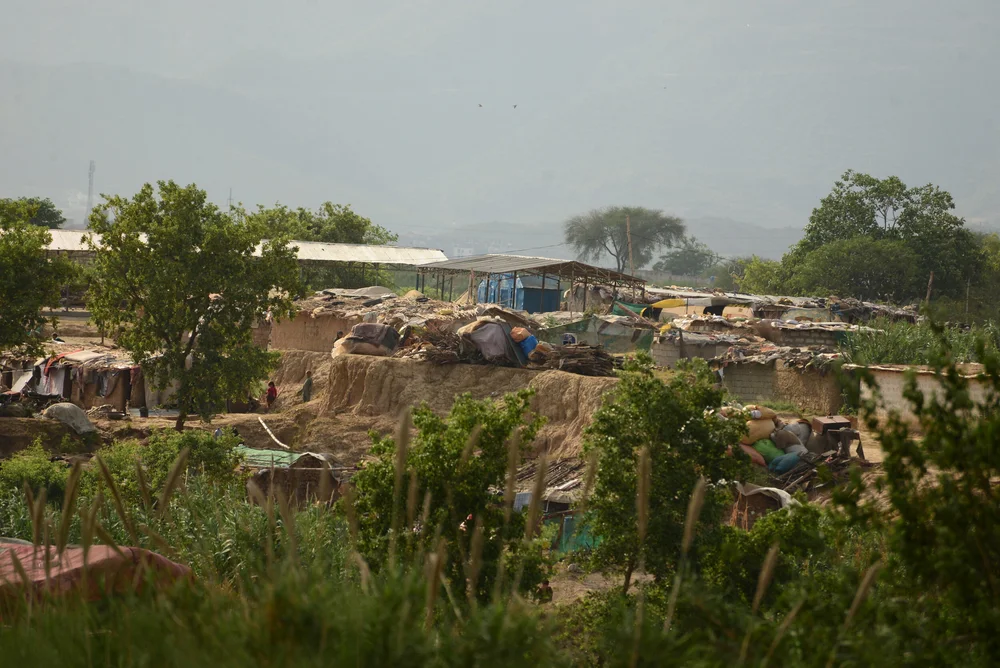
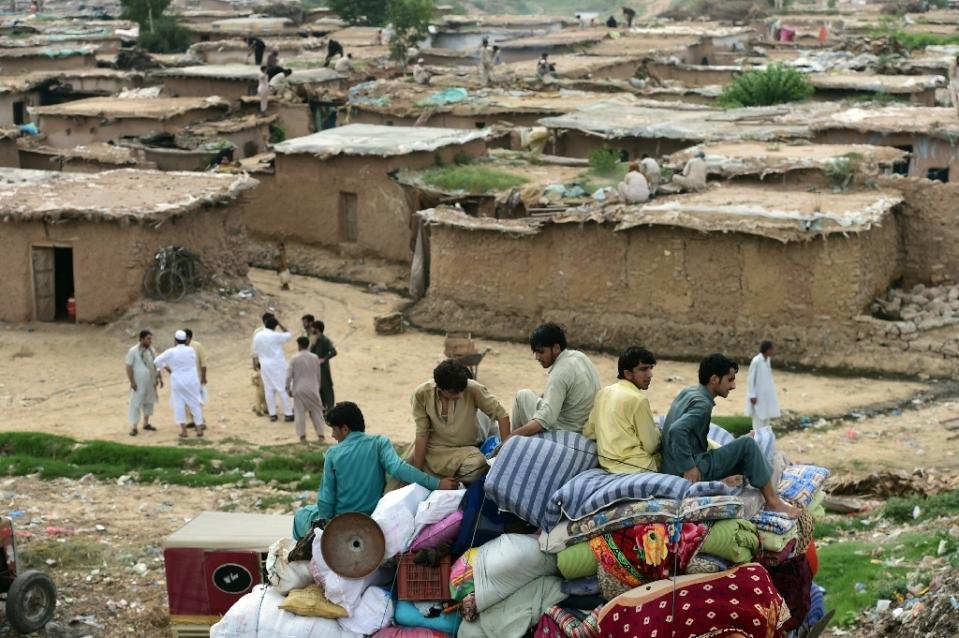
It is the city inhabited by more than half a million working people living in katchi abadis—informal settlements and historic villages that predate the city itself, providing shelter to those whose labour sustains the capital, but whose presence is considered undesirable by the very institutions that depend upon them. These communities build, maintain and sustain the capital every day, remaining largely invisible within official planning frameworks and are frequently confronted with exclusion, displacement and insecurity. While global attention focused on negotiations between states, far less attention was paid to the hundreds of thousands of people struggling for recognition within the city itself.
The contrast raises an important question of how a city celebrated internationally as a venue for peace and dialogue continues to deny recognition and justice to so many of its own residents.
The story of exclusion in Islamabad extends beyond katchiabadis. Long before Islamabad was conceived in the late 1950s and constructed during the 1960s, the Potohar region was home to hundreds of indigenous villages whose histories stretch back centuries. Villages such as Nurpur Shahan, Saidpur, Golra, Shah Allah Ditta, Malpur, Noorpur and dozens of others existed long before the arrival of planners, bureaucrats and developers.
The creation of the capital transformed these communities from inhabitants of their ancestral lands into populations increasingly subjected to state regulation, land acquisition and displacement. Despite their historical presence, many village communities have found themselves marginalised within a development model that privileges planned sectors, commercial expansion and rising land values over the rights and livelihoods of long-established residents.
The recent mapping study conducted by the Alliance for Urban Rights and the University of Essex exposes a reality that fundamentally challenges dominant assumptions about Islamabad. The report estimates that approximately 532,000 people reside in 39 katchiabadis across the capital, representing nearly a quarter of Islamabad’s population. This figure is not merely a statistic; it reveals a profound contradiction at the heart of urban development in Pakistan. The city cannot function without the labour of these residents, yet it systematically denies them recognition, security and dignity.
The existence of such a large population outside the formal planning framework is not an accident. It is the outcome of a development model that prioritises land values, property speculation and elite consumption over the housing needs of ordinary people. The housing crisis in Islamabad is therefore not simply a technical problem of urban management. It is a political and economic issue rooted in the way land, resources and public institutions are organised.
The pressures of exclusion are not confined to informal settlements alone. Historic villages have also faced encroachment upon their land, restrictions on expansion and periodic threats of demolition in the name of urban development. Communities that predate Islamabad itself are often treated as obstacles to planning rather than as integral components of the city’s social and historical fabric. This reveals a broader pattern in which both katchiabadi residents and indigenous village populations bear the costs of urban development whilst possessing limited influence over the decisions that shape their futures.
Islamabad currently faces a housing shortage estimated at around 100,000 units, a deficit that grows each year. While demand continues to rise, the formal housing market produces only a fraction of the homes required. In this context, katchiabadis have emerged as a practical response to a structural failure. They provide affordable shelter for workers who are effectively excluded from the formal housing market.
However, instead of recognising these settlements as a consequence of policy failures, state institutions often portray them as illegal encroachments. Residents are routinely described as land grabbers, criminals or threats to urban order. Such narratives serve an important political purpose. By framing poverty as a problem of individual illegality rather than systematic exclusion, attention is diverted from the deeper causes of the housing crisis.
The reality is strikingly different. The residents of these settlements include sanitation workers, domestic workers, construction labourers, drivers, security guards, clerical staff and countless others who keep the city functioning every day. Many are employed directly or indirectly by government institutions. The irony is impossible to ignore. Workers responsible for cleaning Islamabad’s streets and maintaining its infrastructure are often compelled to live in settlements that the state itself labels illegal.
This contradiction reveals the unequal nature of contemporary urban development. Economic growth in Islamabad depends upon the availability of cheap labour; despite this, the city refuses to provide adequate housing for that labour force. The costs of urban expansion are socialised among the poor, while the benefits are concentrated among property developers, investors and affluent residents.
Land lies at the centre of this process. Over the past several decades, urban land has increasingly been treated not as a social necessity but as a financial asset. The value of land is measured less by its capacity to house people than by its ability to generate revenue and attract investment. Public institutions increasingly operate within this framework, viewing land primarily through the lens of market value.
As a result, development priorities become distorted. High-end housing schemes, commercial projects and speculative property ventures receive institutional support because they generate profits and increase land values. Affordable housing for workers, by contrast, is treated as economically unattractive. The market has little incentive to provide housing for low-income populations because such projects yield lower returns than luxury developments.
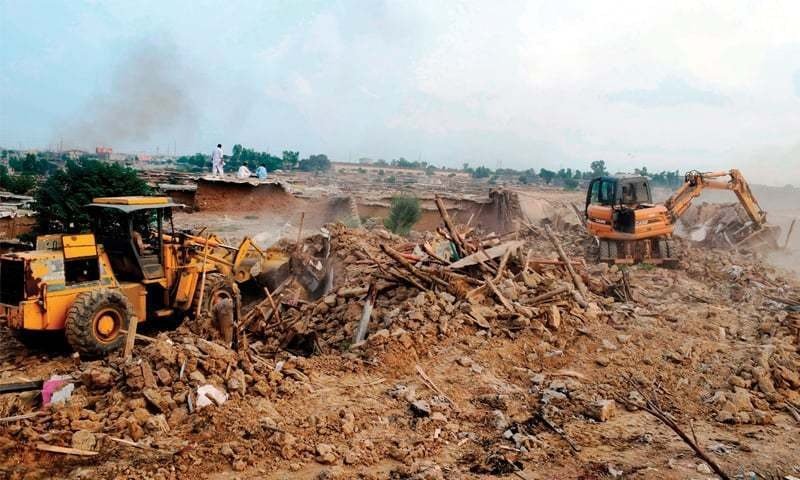
The consequences are visible across Islamabad. Entire communities face eviction whenever the land they occupy becomes commercially valuable. Demolition drives are frequently justified in the language of beautification, modernisation or urban order. Beneath these narratives lies a more fundamental reality that the removal of poor communities often coincides with the rising economic value of the land they occupy.
This pattern becomes even more troubling when compared with the treatment of elite and middle-class housing developments. Numerous private housing schemes have violated zoning regulations, planning laws and environmental guidelines. Despite these violations, many have eventually been regularised through legal accommodations, policy amendments or judicial interventions. Informality among the affluent is often tolerated and legalised; informality among the poor is criminalised and punished.
Such double standards reveal that legality itself is not applied equally. The issue is not merely whether rules have been broken, but who possesses the social and economic power to negotiate exceptions. Urban governance becomes selective, enforcing regulations against vulnerable populations whilst accommodating powerful interests.
The report also highlights another important dimension of exclusion: invisibility. Nearly 407,000 residents live in settlements that remain officially unrecognised by the Capital Development Authority. These communities are often absent from official maps, planning documents and administrative records. Their exclusion from formal statistics is not simply a bureaucratic oversight; it has significant political consequences.
When communities are not officially acknowledged, their residents struggle to claim basic rights. They become ineligible for infrastructure investment, utility connections, social services and legal protections. Their absence from official records weakens their ability to demand recognition or challenge displacement. In effect, invisibility becomes a mechanism of governance.
This process reflects a broader tendency within contemporary urban policy. Rather than addressing poverty through redistribution and public investment, governments increasingly rely upon exclusion and displacement. Marginalised populations are pushed to the geographical margins of cities, away from centres of political and economic power. Poverty is not eliminated; it is merely relocated.
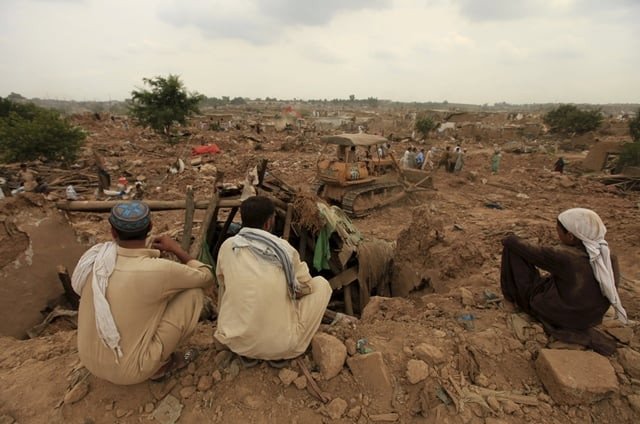
The consequences of this approach are severe. When settlements are demolished, residents do not disappear. They move further towards the urban periphery, often settling in areas with fewer services, greater environmental risks and weaker infrastructure. Others crowd into existing settlements, producing dangerous levels of density. The result is a continuous cycle of displacement and insecurity.
Environmental vulnerability further compounds these problems. Many displaced communities end up living near nullahs, flood-prone areas and environmentally hazardous locations. Climate-related disasters disproportionately affect these populations because they lack secure housing and adequate public infrastructure. Consequently, the burden of environmental risk falls most heavily upon those already facing economic marginalisation.
The groups most affected by these processes are often those with the least political influence. Working-class migrants, religious minorities, Afghan refugees and historically disadvantaged communities are disproportionately represented within informal settlements. Their vulnerability reflects broader patterns of social inequality that shape access to land, housing and political representation.
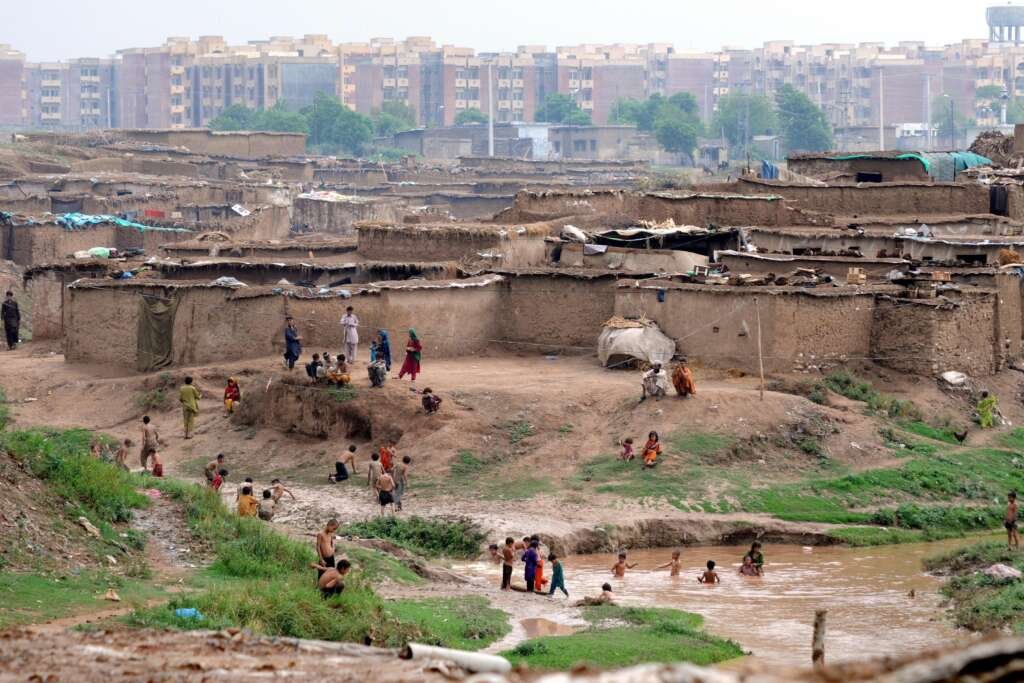
At its core, the housing crisis in Islamabad raises fundamental questions about the purpose of urban development. Is a city merely a space for investment, speculation and profit generation? Or is it a social environment designed to meet the needs of those who live and work within it?
For too long, urban policy has been guided by the assumption that market forces will eventually solve housing shortages. The evidence suggests otherwise. Despite decades of property expansion, affordable housing remains inaccessible to a significant proportion of the population. The market has proven remarkably effective at producing luxury housing, but far less successful at meeting basic social needs.
Different approach is urgently required. The first step is recognition. Every settlement must be officially mapped and documented. Communities cannot be excluded from planning processes simply because their existence is politically inconvenient. Accurate data is essential for meaningful policy interventions.
Second, Islamabad requires a comprehensive legal framework that prioritises regularisation and upgrading rather than demolition. Experience from other regions demonstrates that in-situ development is often more humane, cost-effective and socially sustainable than mass displacement. Secure tenure encourages residents to invest in their homes and communities whilst reducing vulnerability to arbitrary eviction.
Third, public institutions must be reoriented towards social objectives rather than revenue generation. Housing should be understood as a basic human need rather than merely a commodity. This requires greater public investment in affordable housing, stronger protections for tenants, and innovative approaches such as co-operative ownership models and community land trusts.
Finally, future urban expansion must include dedicated provisions for low-income housing. Workers should not be treated as temporary or disposable components of the city. If their labour is essential to urban life, then their right to live within the city must also be recognised.
The story of Islamabad’s katchiabadis is ultimately about more than housing. It is about citizenship, belonging and the right to occupy urban space. The residents of these settlements are not outsiders to the city. They build it, clean it, maintain it and sustain it every day.The real question is not whether these communities belong in Islamabad. The real question is whether Islamabad can continue to claim to be a modern and just city whilst denying recognition to nearly a quarter of its own population. A city that depends upon the labour of the poor whilst excluding them from its future is not merely facing a housing crisis. It is confronting a crisis of democracy, equality and development itself